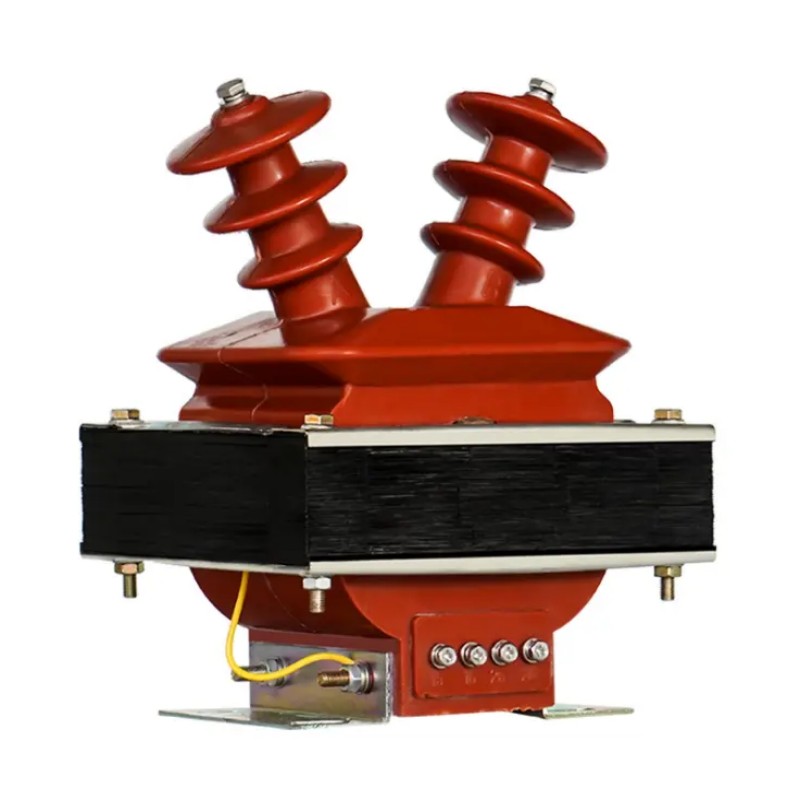
Dry Type Distribution Transformer - A Game Changer in the Power IndustryThe power industry is constantly evolving, with new innovative technologies replacing traditional practices. One such innovation that is making waves in the industry is the Dry Type Distribution Transformer. This transformer has been gaining popularity due to its numerous advantages over traditional oil-filled transformers. Let's take a closer look at this game-changing technology and its impact on the power sector.The Dry Type Distribution Transformer is a versatile and efficient power distribution solution that offers numerous advantages over its oil-filled counterparts. This type of transformer uses solid insulation materials, such as epoxy resin, to insulate the windings instead of the traditional oil-based insulation. This makes the transformer safer, as it eliminates the risk of oil leaks and fires, which are common hazards associated with oil-filled transformers. Additionally, the absence of oil makes the transformer more environmentally friendly, as there is no risk of soil or water contamination in the event of a leak.In addition to the safety and environmental benefits, the Dry Type Distribution Transformer also offers improved performance and lower maintenance requirements. The solid insulation materials provide better thermal performance, allowing the transformer to operate at higher temperatures without the risk of insulation degradation. This results in improved efficiency and reduced energy losses. Furthermore, the absence of oil means that there is no need for regular oil testing, maintenance, and replacement, leading to lower operating costs over the lifespan of the transformer.The Dry Type Distribution Transformer is also more compact and lightweight compared to traditional oil-filled transformers, making it easier to transport and install. This is particularly beneficial in urban areas where space is limited, as it allows for more efficient use of available space. Additionally, the solid insulation materials provide better protection against moisture, dust, and other contaminants, making the transformer suitable for a wide range of indoor and outdoor applications.One company that has been at the forefront of the development and manufacturing of Dry Type Distribution Transformers is {}. With years of experience in the power industry, {} has been a leader in providing innovative and reliable power distribution solutions. The company's extensive research and development efforts have resulted in the creation of a wide range of Dry Type Distribution Transformers that are designed to meet the diverse needs of customers in various industries.{}'s Dry Type Distribution Transformers are known for their high quality, reliability, and performance. The transformers are designed and manufactured using state-of-the-art technology and adhere to the highest industry standards for safety and efficiency. With a strong focus on customer satisfaction, {} offers customized solutions to meet the specific requirements of its clients, ensuring that they receive the most cost-effective and reliable power distribution solutions.Furthermore, {}'s commitment to sustainability is reflected in its environmentally friendly manufacturing processes and product designs. The company is dedicated to reducing its carbon footprint and minimizing its impact on the environment, making it a preferred choice for customers who prioritize environmental responsibility and sustainability in their operations.In conclusion, the Dry Type Distribution Transformer is revolutionizing the power industry with its numerous advantages over traditional oil-filled transformers. With its enhanced safety, environmental friendliness, improved performance, and lower maintenance requirements, this technology is a game changer in the power sector. As a leader in the development and manufacturing of Dry Type Distribution Transformers, {} is playing a key role in driving the adoption of this innovative technology and providing customers with reliable and sustainable power distribution solutions.
Read More